
Chelsea Ownership Deal: Clearlake Takes Full Control
Clearlake has taken full control of Chelsea after a reported £950m buyout. We break down the valuation, financials and business implications.
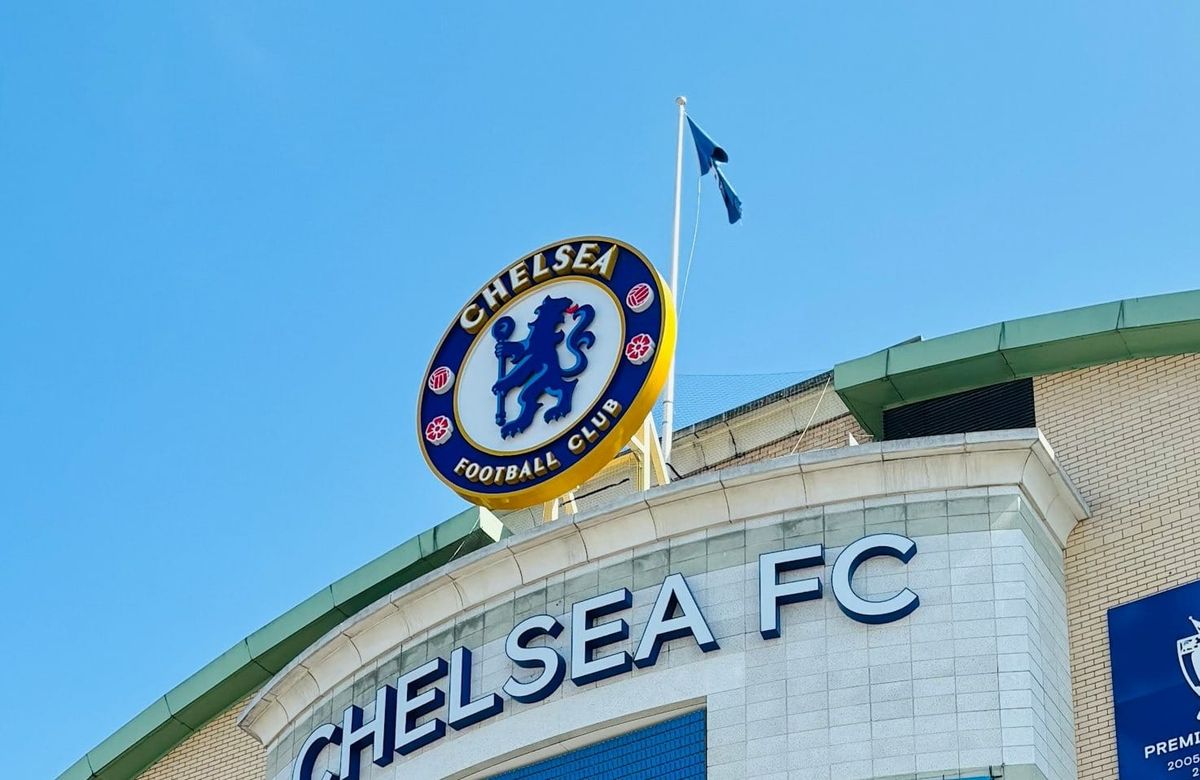
Clearlake Takes Full Control of Chelsea in Reported £950m Buyout
Todd Boehly and Mark Walter are out. Clearlake is consolidating control. The transaction puts a fresh price marker on one of European football's most valuable clubs.
Chelsea's ownership structure has become considerably simpler. Chelsea confirmed that Clearlake Capital affiliates will acquire the ownership interests held by Todd Boehly and Mark Walter, leaving Clearlake in control of the Premier League club.
This is not a new takeover in the traditional sense. It is a buyout between existing shareholders: one part of the ownership group is purchasing the interests of another. For football investors, that distinction matters. The transaction provides a new reference point for Chelsea's equity value without the club itself changing hands.
The valuation is the interesting part
Reuters reported that the transaction was expected to be worth around £950 million and that the interests being acquired represented roughly a quarter of the club.
A simple pro-rata calculation would put the equity value implied by that price at roughly £3.8 billion. That should not automatically be treated as Chelsea's definitive valuation: minority interests, shareholder rights, debt and transaction-specific terms can all change the economics.
The broader point is more useful. An existing institutional investor is committing substantial additional capital to increase its exposure to a football asset it already knows well. That is very different from a speculative first-time acquisition.
Chelsea is a large business with expensive economics
Chelsea reported revenue of £490.9 million for the 2024/25 financial year , its second-highest level on record. Matchday revenue reached £86.8 million, while the club recorded £57.9 million of profit from player disposals.
The other side of the ledger was considerably heavier. Chelsea reported a £262.4 million pre-tax loss for the year as operating expenses increased. That is a reminder that headline club valuations and accounting profitability are two very different things.
Football clubs are unusual assets. Buyers are not simply underwriting today's EBITDA. They are paying for a mix of broadcasting rights, commercial reach, player-trading capability, intellectual property, scarcity value and the potential to improve infrastructure.
Control has its own value
Clearlake was already the largest shareholder, but consolidating ownership reduces the possibility of strategic deadlock. A cleaner cap table can matter when a club is making decisions involving hundreds of millions of pounds.
Stadium investment is the obvious example. Chelsea's ownership has already said it intends to continue focusing on the club's long-term infrastructure. Stamford Bridge is commercially valuable but capacity constrained compared with several major European competitors.
Infrastructure decisions of that size affect financing, matchday revenue, hospitality inventory, naming-rights potential, construction risk and the long-term enterprise value of the club. Concentrated control does not make those decisions easy, but it can make them easier to execute.
From consortium ownership to institutional ownership
When Chelsea changed hands in 2022, Boehly and Clearlake shared control and equal governance. The original ownership announcement described a consortium combining private capital with individual investors from the wider sports and investment industries.
Four years later, the structure is moving in the opposite direction: fewer principals, more concentrated control and a private investment firm at the centre of the ownership model.
That is worth watching beyond Chelsea. Football clubs are increasingly being treated as institutional assets requiring formal capital allocation, governance, infrastructure planning and portfolio-level decision-making. The match remains the product. The machinery behind it looks increasingly like conventional corporate finance.
What changes now
Chelsea has said there will be no immediate change to day-to-day operations, leadership or strategy. The more relevant questions are longer-term: how Clearlake allocates capital, what happens with Stamford Bridge, how aggressively the club continues to invest in its squads and whether commercial growth can close the gap between revenue and operating expenditure.
The ownership reshuffle is therefore less interesting as a boardroom headline than as a capital-markets event. It gives the football industry another observable transaction involving a globally recognised club, institutional capital and a multibillion-pound valuation.